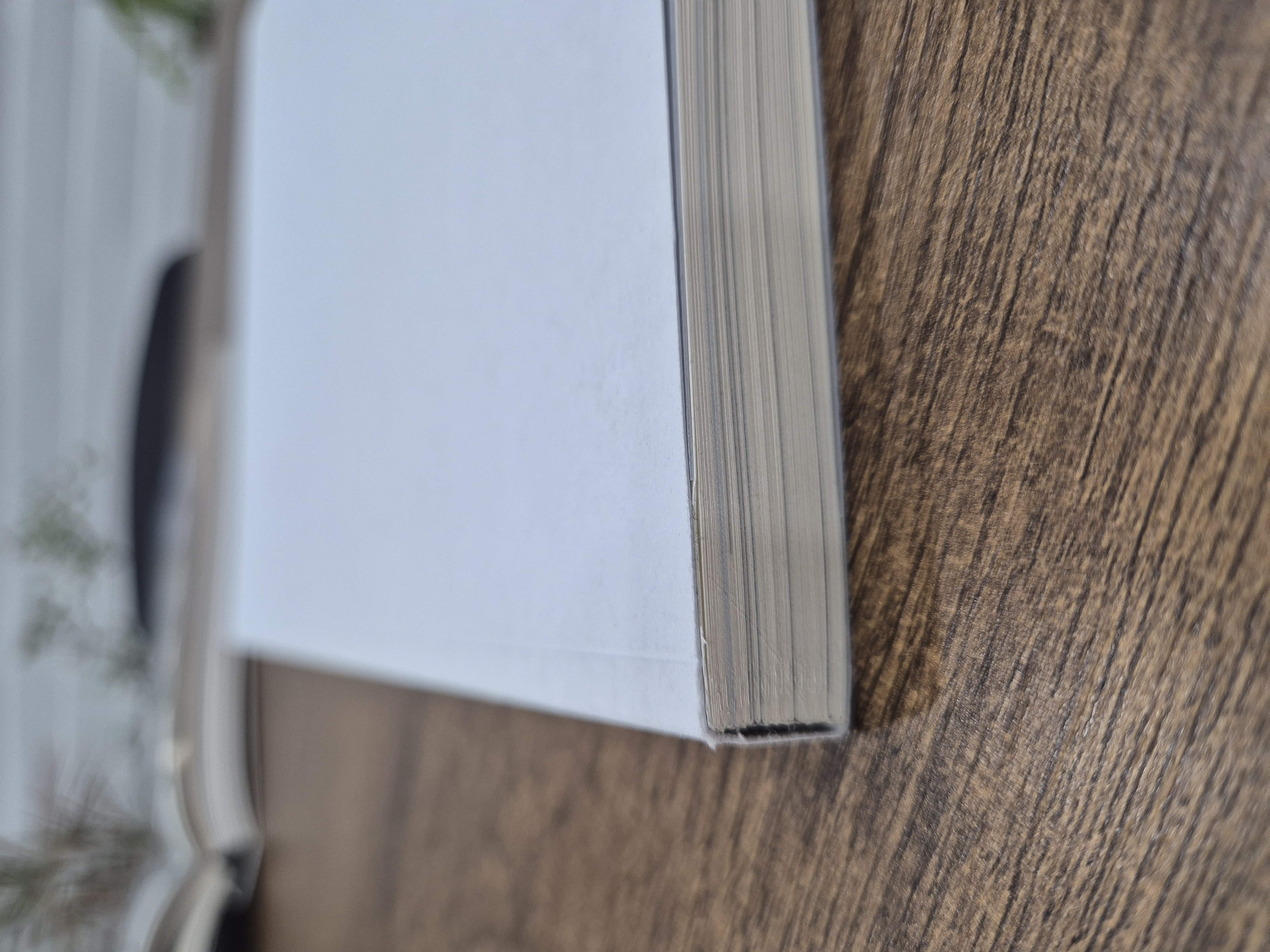
Understanding Paper Finishes: The Foundation of Print Quality
The tactile and visual experience of a printed piece begins with its paper stock and finish. While often confused, matte and uncoated papers offer distinct characteristics that influence ink absorption, color reproduction, readability, and overall durability. Understanding these differences is crucial for achieving your project's aesthetic and functional goals, whether you're producing a high-end art book, an educational textbook, or a corporate catalog.
Matte Coated Paper: Refined Sophistication with Reduced Glare
Matte coated paper features a thin layer of coating applied to its surface, which is then calendered (smoothed) to a non-glossy, low-sheen finish. This coating limits ink absorption into the paper fibers, allowing colors to appear sharper and more vibrant than on uncoated stock, while minimizing reflective glare. The surface often feels smooth and slightly velvety.
Key characteristics of matte coated paper include:
- Low Sheen: Significantly reduces glare, making text and images easy to view under various lighting conditions.
- Color Fidelity: The coating helps ink sit on the surface, resulting in richer, more saturated colors and sharper image detail compared to uncoated.
- Tactile Quality: Offers a smooth, sophisticated feel that is pleasant to the touch.
- Durability: The coating provides a degree of protection against scuffs and fingerprints, though it can still show oils from handling.
Matte paper is an excellent choice for projects where visual impact and readability are paramount without the high reflectivity of a gloss finish. It imparts a modern, professional, and understated elegance.
Uncoated Paper: Natural Texture and Superior Writeability
Uncoated paper, as its name suggests, lacks any surface coating. Its natural fibers are exposed, resulting in a porous surface that readily absorbs ink. This inherent characteristic gives uncoated paper a distinct texture and a more natural, organic appearance. It's the paper type most commonly associated with everyday writing paper.
Key characteristics of uncoated paper include:
- Natural Texture: Offers a tactile, often slightly rough or fibrous feel that can range from smooth vellum to a more textured linen.
- High Porosity: Ink is absorbed into the paper, which can lead to a softer, more muted color appearance and a phenomenon known as 'dot gain,' where ink spreads slightly.
- Excellent Writeability: Ideal for projects where readers will write on the surface, such as journals, workbooks, or forms, as ink dries quickly and doesn't smudge.
- Eco-Friendly Perception: Often associated with a more natural or recycled aesthetic, appealing to brands emphasizing sustainability.
Uncoated paper delivers a warm, authentic feel and is particularly suited for projects where the natural texture and ease of writing are desired over high-gloss photo reproduction.
Direct Comparison: Matte Coated vs. Uncoated
To further clarify the distinctions, the table below outlines the primary differences between matte coated and uncoated paper stocks across key production and aesthetic criteria.
| Feature | Matte Coated | Uncoated |
|---|---|---|
| Surface | Smooth, non-glossy, slightly textured | Porous, natural, fibrous |
| Feel | Soft, refined | Tactile, often warmer |
| Glare | Very low | None |
| Ink Absorption | Controlled, sits on surface | High, absorbs into fibers |
| Color Vibrancy | Muted, rich, deep; excellent for subtle tones | Natural, can appear softer; good for text |
| Detail/Sharpness | Good, but not as crisp as gloss | Softer detail, can "dot gain" |
| Durability | Good scuff resistance, can show fingerprints | Can be prone to scuffing, shows oils easily |
| Writeability | Possible with ballpoint, some smudging | Excellent with most pens, no smudging |
| Cost | Typically moderate to higher | Generally lower to moderate |
| Environmental Perception | Modern, professional | Organic, artisanal, eco-friendly |
Practical Considerations for Your Print Project
Beyond the basic characteristics, several practical factors should influence your decision between matte and uncoated paper.
Ink Performance and Color Reproduction
Matte coated paper generally yields sharper images and more vibrant colors because the ink sits on the surface. While colors are rich, they tend to be less 'poppy' than on gloss. Uncoated paper, due to its absorbency, can result in colors that appear softer or more muted. Fine details in photography may lose some sharpness, and solid areas of color might appear less uniform due to ink absorption variations. When using uncoated stock, it's crucial to consider the potential for dot gain and adjust file preparation accordingly.
Readability and Glare
Matte coated paper excels in readability, particularly for text-heavy documents or images viewed under direct light, as its low reflectivity minimizes eye strain. Uncoated paper has no glare at all, offering a very natural reading experience. However, the contrast between ink and paper might be slightly less pronounced on uncoated stock, especially with lighter ink colors.
Durability and Handling
Both finishes offer reasonable durability, but their vulnerabilities differ. Matte coated paper generally resists scuffing better than uncoated, but it can show fingerprints and smudges more readily due to the surface oils from handling. Uncoated paper, while less prone to showing fingerprints, can be more susceptible to scuffing and dog-earing, especially at lower paper weights. For high-touch items like catalogs or frequently referenced manuals, consider a heavier paper weight for either option.
Cost Implications
Generally, uncoated paper is more economical than coated stocks, including matte. The coating process adds a manufacturing step, which increases the cost. However, specialized uncoated papers (e.g., premium textures, high brightness) can sometimes approach or exceed the cost of standard matte coated options. Always obtain quotes for both options to compare accurately for your specific project and quantity.
Paper planning
